


Emergency Management
Emergency Management's mission is to enhance the public safety of Lexington-Fayette County residents and businesses through emergency preparedness, mitigation, response and recovery.
To find information on any emergency situation, visit Emergency Management's official website at BeReadyLexington.com
Outdoor Warning Sirens
Emergency Management (DEM) manages 31 outdoor sirens in parks throughout Fayette County. These sirens warn residents who are outdoors that there is a hazardous weather watch or warning, hazardous chemical spill or a Chemical Stockpile Emergency Preparedness Program incident.
If you are near a siren and hear it go off, immediately seek shelter indoors. Many of Lexington’s parks and golf courses have designated storm shelters. If the siren gives verbal instructions, follow the directions!
Siren Testing
DEM tests our sirens on the first Wednesday of every month at 10 a.m. except when an actual weather incident is likely.
Some siren sires are “quiet tests,” which means the sirens are tested without any sound (wail) or announcement.
Siren Use
For a severe thunderstorm warning, tornado watch, or chemical emergency, sirens will be activated between 6 a.m. and midnight.
For a tornado warning, sirens will be activated at any time of the day or night.
Siren Range
The wailing sound of an outdoor siren is much like that of a police car, fire truck, or other emergency vehicle, only much, much louder. Depending on weather conditions, a siren’s alert tone can be heard outdoors about half a mile away from the sire site. The siren’s public address system can be heard for approximately a quarter-mile from the siren sire – again, depending on weather conditions.
Outdoor warning sirens are intended to warn people who are outdoors. They are not designed to notify people who are indoors. A siren loud enough to be heard inside your house or workplace would be dangerously loud for nearby outdoor listeners. For indoor alerting, we strongly recommend you have a NOAA all-hazards weather radio.
Siren Sound Examples
Each siren can play different alert tones for different hazards and be used as a public address system. Depending on the situation, you may hear:
Westminster Chime (followed by verbal instructions) – used for:
Steady Tone – used for:
Wail Tone (followed by verbal instructions) – used for:
- Evacuation
- Shelter in place
- All clear
Once you have taken shelter or followed the instructions from the siren, monitor local radio or television or your NOAA weather radio for additional emergency information.
Learn More
See our page of frequently asked siren questions.
For further questions or to report a siren issue, contact Tim Brandewie, DEM’s Response Manager.
Map
News
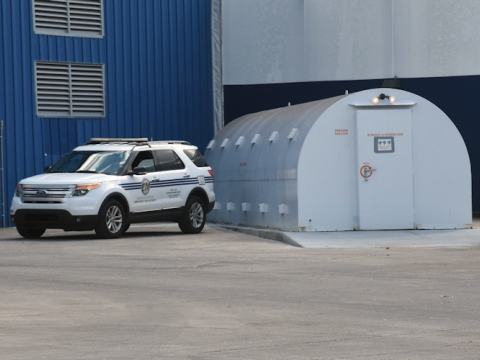
Storm Shelter installation complete at Lexington Recycling Center
The structure can shelter more than 80 people during tornado warnings and other severe storm threats.
Don't leave these items in a parked car during the summertime
The most common reminders for drivers are to be aware of how warm a vehicle can get while parked in the sun.
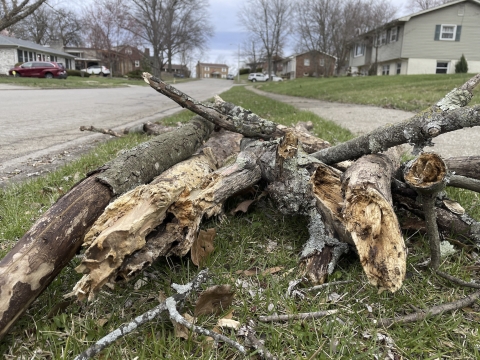
Residents needing tree and debris removal asked to register for volunteer services
Lexington Emergency Management wants to hear from residents who have exhausted their ability to clear storm debris from private property.